


Outdoor Space Checklist: Patio Decor & Backyard Hosting
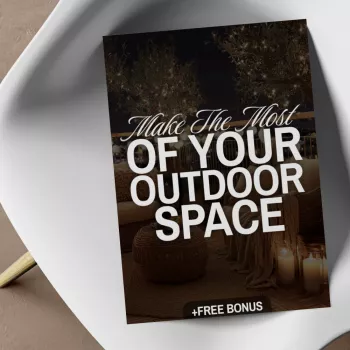
Make the Most of Your Outdoor Space: A Practical Checklist for Patio Decor, Entertaining, and Backyard Design
An outdoor space works best when it supports real life: morning coffee, weeknight dinners, weekend gatherings, and a quiet place to reset. The fastest way to improve a patio or backyard is to start with a clear plan—how the space will be used, what needs to be fixed first, and which upgrades will give the biggest impact. Use the checklist-style steps below to define zones, improve comfort, layer decor, and prepare for easy entertaining—without turning the project into an overwhelming overhaul.
Start with how the space should feel and function
Before shopping or rearranging, decide what “successful” looks like in everyday use. A patio designed for one perfect party can still be annoying on a normal Tuesday, so start with the daily baseline.
- List the top 3 activities the space must support (dining, lounging, grilling, gardening, kids’ play, reading).
- Choose a “default moment” to design for (weekday dinner for two, Saturday brunch, evening hangout).
- Set a realistic capacity for entertaining (2–4, 6–8, 10+). This drives seating, circulation, and lighting.
- Identify the biggest friction points today (no shade, unstable chairs, no place to set drinks, harsh lighting, bugs).
- Create a simple priority order: safety + comfort first, then layout, then decor layers.
Quick function checklist by outdoor zone
| Zone | Must-have elements | Nice-to-have upgrades | Common mistake to avoid |
|---|---|---|---|
| Dining | Stable table, comfortable chairs, lighting over/near table | Outdoor rug, sideboard/cart, extra folding chairs | Placing the table too far from the kitchen/grill path |
| Lounge | Weather-ready seating, side tables for drinks, shade option | Throw pillows, fire feature, ambient string lights | No surface space—guests end up holding everything |
| Grill/Prep | Clear prep surface, safe clearance, storage for tools | Outdoor mini-fridge, trash bin station, task lighting | Crowding the grill in a corner with poor airflow |
| Entry/Transition | Doormat, hook/basket for essentials, pathway lighting | Planters framing the door, bench for shoes | Dark steps or uneven pavers that become trip hazards |
Measure, map, and define the layout
Outdoor spaces feel “off” most often because of spacing, not style. A few quick measurements prevent buying furniture that blocks doors or forces everyone into awkward traffic patterns.
- Measure the usable footprint (include doors that swing out, steps, and any permanent obstacles).
- Sketch a quick map: fixed features (trees, fence, grill, hose spigot) and “no-go” areas.
- Plan clear walking lanes so guests don’t squeeze past chairs; keep the main paths simple and direct.
- Use zone anchors to “draw” boundaries: outdoor rugs, planters, a narrow console, or a change in lighting.
- Test the layout before buying: painter’s tape, cardboard templates, or a trial weekend with existing furniture.
Comfort upgrades that change everything (often on a small budget)
Comfort is what makes people linger. If the space looks great but feels harsh, hot, or inconvenient, it won’t get used.
- Shade: Add an umbrella, shade sail, pergola curtain panel, or movable canopy; prioritize the seat that gets used most.
- Seating comfort: Use cushions designed for outdoor use; add lumbar pillows and a throw for cooler evenings.
- Bug control: Reduce standing water, add a fan near seating, and keep repellents safely away from foot traffic.
- Sound: A small outdoor-rated speaker or water feature can soften street noise; keep volume considerate of neighbors.
- Temperature: Portable heaters or a fire feature for shoulder seasons; in hot climates, prioritize shade + airflow first.
For grill placement and safe clearance, follow the latest guidance from the U.S. Consumer Product Safety Commission’s outdoor grilling safety tips.
Decor layers that make the space feel finished
Once the layout works and the seats are comfortable, decor can do its real job: making the space feel intentional (not like furniture stored outside).
- Pick a simple palette (2–3 main colors) and repeat it across cushions, planters, and tabletop items.
- Add texture: mix woven, wood, metal, and stone-like finishes to avoid a flat “all-matching set” look.
- Use greenery to soften edges: planters at corners, tall plants for privacy, herbs near dining for function.
- Create a focal point: a fire pit, outdoor art, a statement planter, or a styled coffee table tray.
- Light in layers: ambient (string/lanterns), task (grill/prep), and safety (path/steps) to set mood without glare.
If you plan around sun exposure and heat, check the day’s air quality and UV conditions before long outdoor hangs via AirNow (EPA).
Entertaining setup: make hosting feel effortless
Hosting is easier when the “systems” are set—where drinks go, where trash goes, where extra seating lives, and how lighting looks after sunset.
For a structured, ready-to-follow format, use the Make the Most of Your Outdoor Space Checklist (digital download) to move from layout decisions to decor layers without second-guessing every step.
Seasonal maintenance that protects the investment
A printable-style checklist to keep decisions simple
If your favorite outdoor moment is a calm morning on the patio, pairing your space plan with a simple habit plan can make the area feel used (not just styled). The Morning Routine Checklist for a Positive Mindset is an easy add-on for turning that first cup of coffee outside into a consistent reset.
FAQ
What does make the most out of mean?
It means getting the best result from what you already have by using your space, time, and resources more effectively. In an outdoor setting, that usually comes down to clear priorities: comfort, smart layout, and a few high-impact upgrades.











Leave a comment