


Slim Winter Layering: Stay Warm Without Bulk
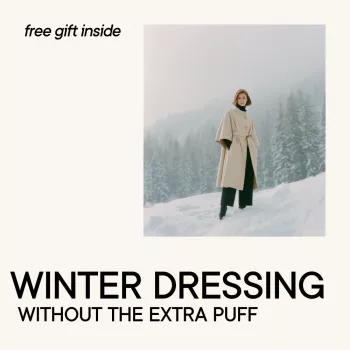
Winter Dressing Without the Extra Puff: A Slim Layering System for Minimalist Cold-Weather Style
Staying warm in winter doesn’t require oversized coats, multiple bulky sweaters, or sacrificing a clean silhouette. A slimmer approach comes from choosing the right fabrics, stacking layers with purpose, and using targeted insulation where heat is lost fastest. This guide breaks down a practical layering system that keeps outfits streamlined while handling real cold—plus simple outfit formulas to make getting dressed easier.
The slim-warm formula: trap heat, manage moisture, cut wind
A sleek winter outfit works when each layer has a job. The goal isn’t “more clothing”—it’s smarter clothing that performs without adding volume.
- Start dry: Choose a close-to-skin layer that moves sweat away; damp fabric is what makes “cold” feel colder.
- Insulate once, effectively: Add one insulating layer that holds warm air (fine knit, fleece, wool, or light down) rather than piling on multiple thick pieces.
- Block the elements: Finish with an outer layer that cuts wind and handles precipitation; wind protection often feels “warmer” than adding another sweater.
- Fit is function: Base layer snug, mid-layers skim the body, shell allows arm movement without excess volume.
- Prevent bunching: Reduce friction points at collars, cuffs, and waist so layers slide smoothly and don’t stack up under coats.
Base layers that stay thin but work hard
Base layers are where slim winter dressing wins. When the layer closest to your skin manages moisture and drafts, everything above it can stay lighter.
- Pick high warmth-to-thickness fabrics: Lightweight merino or performance synthetics are ideal; reserve cotton for mild temps since it holds moisture.
- Look for draft-stopping details: Long-sleeve tops with a slightly longer hem stay tucked and prevent lower-back chill.
- Keep legs streamlined: Thin thermal leggings under tailored trousers or straight-leg jeans beat stacking multiple thick pants.
- Use neck coverage as a “warmth multiplier”: A thin merino mock neck can replace a bulky scarf indoors.
- Choose wardrobe-friendly colors: Black, charcoal, cream, or navy base layers can stand alone when heated interiors make outer layers unnecessary.
Quick guide to warm-but-slim layering materials
| Layer role | Best slim materials | What to avoid (adds bulk or chills) |
|---|---|---|
| Base (next-to-skin) | Light merino, polyester/nylon blends, silk | Thick cotton tees, heavy waffle knits that trap sweat |
| Mid (insulation) | Fine-gauge wool, fleece grid, cashmere blend, thin down vest | Chunky cable knits, oversized hoodies under coats |
| Outer (protection) | Windproof shell, wool coat with lining, insulated parka with streamlined quilting | Non-lined coats in wind, stiff layers that restrict movement |
| Accessories (heat loss zones) | Merino socks, thin liner gloves + shell mitts, beanie | Loose-knit hats, fashion socks, gloves that leave gaps at wrists |
Mid-layers: insulation without looking layered
Mid-layers should warm the body without turning sleeves into a tight stack. The easiest fix: trade thickness for efficiency.
- Swap bulk for smarter structure: Replace a thick sweater with a fine-gauge knit and a light insulating piece (like a thin vest) to keep your core warm without puffed arms.
- Use texture strategically: One soft knit layer reads intentional; two bulky textures compete and add visual weight.
- Choose venting options: Zip or button mid-layers let you dump heat on the move—often preventing the need for another layer.
- Keep shoulders clean: Raglan sleeves and smooth knits reduce the “stacked” look under coats.
- Plan for indoor heat: Mid-layers that look polished on their own (fine turtleneck, slim cardigan) mean fewer pieces to carry.
Outerwear choices that look sleek but perform
- Make wind protection non-negotiable: A lighter coat that blocks wind can feel warmer than a heavier coat that lets air through. For a practical overview, REI’s layering principles are a useful reference: REI Co-op – Layering Basics.
- Choose length with intent: Mid-thigh coverage often adds warmth without needing bulky insulation.
- Look for warmth features without volume: High collar, storm flap, lined pockets, adjustable cuffs.
- Keep the silhouette simple: Let technical under-layers do the work (base + mid), and let the coat provide structure.
- If you go puffer: Favor narrow quilting, matte fabric, and a defined shape (straight or lightly belted) to reduce ballooning.
Accessories: the highest warmth return with the least bulk
Cold safety matters, too—especially if you’re out for long stretches. If you’re unsure whether conditions are becoming risky, review the CDC’s warning signs of hypothermia so you can adjust layers early.
A minimalist winter capsule that mixes easily
Outfit formulas that stay warm and look streamlined
Make thin layers last: care and maintenance
A compact reference for building slim winter outfits
- Winter Dressing Without the Extra Puff – Slim Winter Layering Guide (digital download) is a quick, minimalist-friendly reference for building warm outfits without losing a clean silhouette.
- Morning Routine Checklist for a Positive Mindset pairs well with a simplified wardrobe: less decision fatigue, more consistent mornings.
- How to Feel Safe Traveling Without Knowing Every Turn is helpful for winter trips when you want fewer moving parts—packing included.
FAQ
How can outfits stay warm without looking bulky?
Use a moisture-wicking base layer, add one efficient insulating mid-layer, and finish with a wind-blocking outer layer. Increase warmth with a hat, gloves, and merino socks instead of stacking thick sweaters.
What is the warmest thin base layer material?
Merino wool is one of the best options for warmth-to-thickness and odor resistance. Performance synthetics also work well for higher activity, while cotton is a poor choice in cold because it holds moisture.
Is a wool coat warm enough for freezing weather?
Often, yes—especially if it’s lined and paired with a merino base layer plus an efficient mid-layer. In strong wind or wet conditions, adding a windproof shell or choosing an insulated option can make a noticeable difference.














Leave a comment