


Stop a Toddler Tantrum Fast: Calm Steps That Work
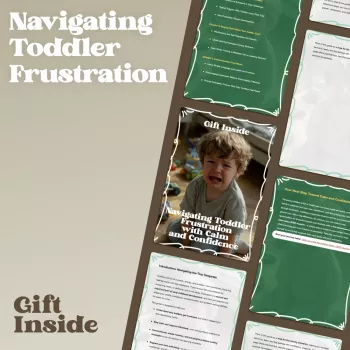
How to stop a toddler tantrum?
Toddler tantrums are intense, but they’re also normal—often sparked by big feelings, tired bodies, or frustration with limits. The goal isn’t to “win” the moment; it’s to help your child regulate while keeping everyone safe. With a few consistent steps, many tantrums shorten over time and become less frequent.
1) Check for safety first
If your toddler is hitting, throwing, or near hazards, calmly move objects away or move your child to a safer spot. Keep your voice low and your words simple. If needed, block hits with your arm and say, “I won’t let you hit.”
2) Stay calm and reduce stimulation
Your nervous system sets the tone. Take a slow breath, soften your face, and avoid rapid talking or lecturing. If the environment is loud or crowded, shift to a quieter area to help their body settle faster.
3) Validate feelings, hold the boundary
Use short phrases that name the feeling and keep the limit: “You’re mad. It’s hard to stop playing. We’re leaving now.” Validation helps them feel understood; consistency teaches what’s non-negotiable.
4) Offer two simple choices (when possible)
Choices restore a sense of control without giving in: “Do you want to walk or be carried?” or “Red cup or blue cup?” If choices escalate the moment, skip them and return to calm, steady statements.
5) Use connection over conversation
Many toddlers can’t process long explanations mid-tantrum. Instead, offer presence: sit nearby, open your arms, and say, “I’m here when you’re ready.” Some kids want a hug; others need space—either is okay as long as they’re safe.
6) After it passes, teach briefly and reset
Once calm, keep the follow-up short: “Next time, you can say ‘help’ or stomp your feet.’” Then move on to a regulating activity (water, snack, fresh air, quiet play). For more step-by-step strategies and examples, visit this guide on stopping a toddler tantrum.
FAQ
How can I prevent toddler tantrums before they start?
Stick to predictable routines, offer snacks and rest before meltdowns hit, and give brief warnings before transitions (like “Two more minutes, then shoes”). Noticing early signs—whining, clinging, frantic behavior—lets you intervene with connection and choices sooner.















Leave a comment