What should you wear in really cold weather?
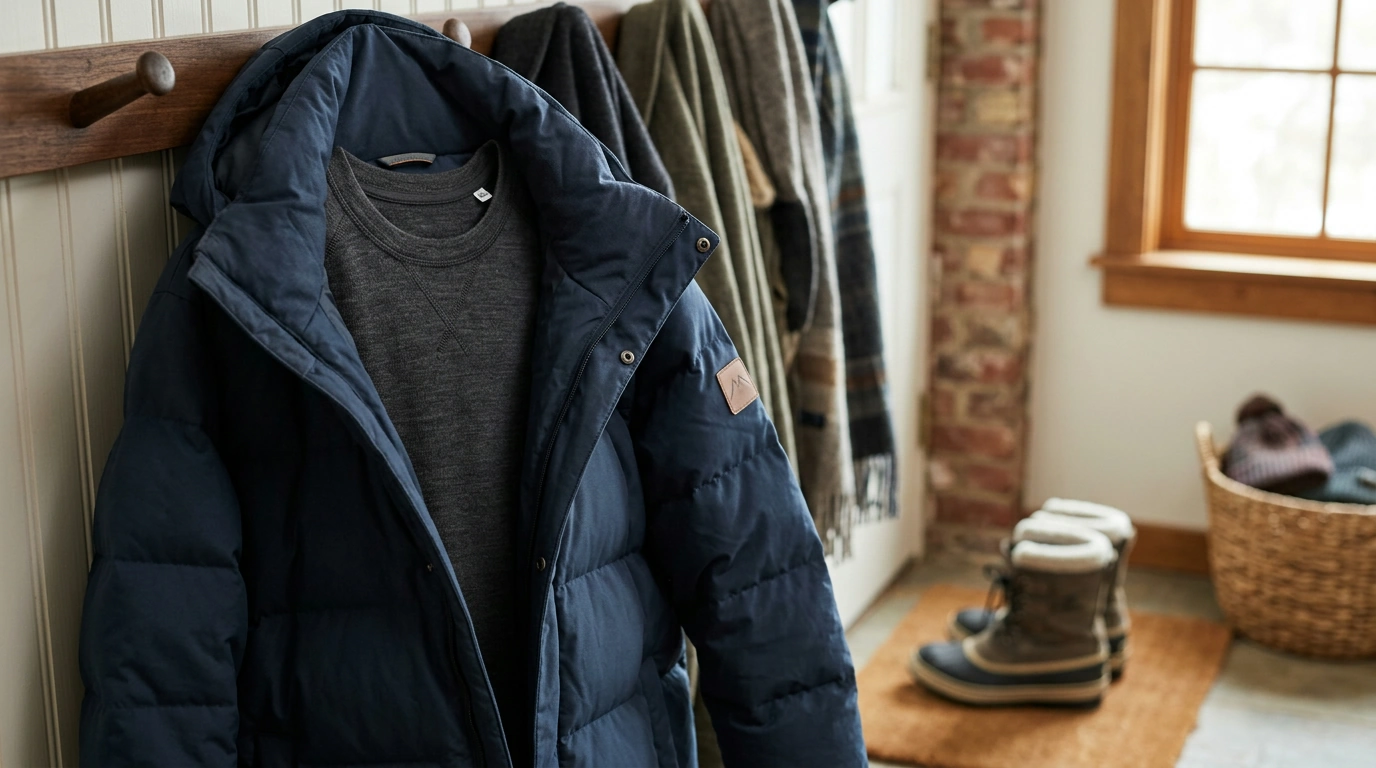
When the temperature drops, warmth comes from combining layers that each do a different job—not simply piling on thicker clothes. Start with a close-fitting base, add insulation, and finish with a coat that blocks wind and moisture. You can adjust each layer as your activity or the weather changes.
Start with a comfortable base layer
Wear a long-sleeve base layer next to your skin, along with thermal bottoms if your legs will be exposed to the cold for a while. Merino wool and synthetic performance fabrics are useful choices because they can move perspiration away from your skin. Avoid cotton as your first layer during prolonged outdoor activity: damp fabric can leave you feeling chilled. Choose a close, comfortable fit that lets you move freely.
Add insulation where you need it
Your middle layer helps hold warmth around your body. A fleece, wool sweater, or lightweight insulated jacket can work, depending on the temperature and how much you’ll be moving. In very cold conditions, consider a second thin midlayer instead of one bulky piece. Layers with zippers or easy openings also let you release heat when you step indoors or become active.
Finish with a protective outer layer
Your coat should leave enough room for the layers underneath without restricting your shoulders or arms. For windy or wet conditions, choose an outer layer with wind-resistant fabric and suitable weather protection. A hood can help shield your head and neck. Close the front and adjust the cuffs or hem to limit drafts, while keeping the fit comfortable rather than tight.
Cover the parts layers can miss
Warm socks, insulated gloves or mittens, and a hat or ear-covering headband can make a noticeable difference. A scarf or neck warmer helps protect the gap between your collar and face. Make sure gloves still let you handle zippers and other essentials, and choose footwear with room for warm socks without squeezing your toes.
Put your cold-weather outfit together
Dress for the coldest part of your day, then make room to adjust. If you’ll be walking or working outdoors, breathable layers can help you avoid overheating; if you’ll be standing still, you may need more insulation. For a step-by-step approach to a warm coat without excess bulk, read our guide to a men’s winter coat layering system.
FAQ
What fabrics work well for winter base layers?
Merino wool and synthetic performance fabrics are common choices because they can move moisture away from your skin. Pick a fabric and fit that feel comfortable for your activity.
Recommended for you











Leave a comment