What fluids does a car use?
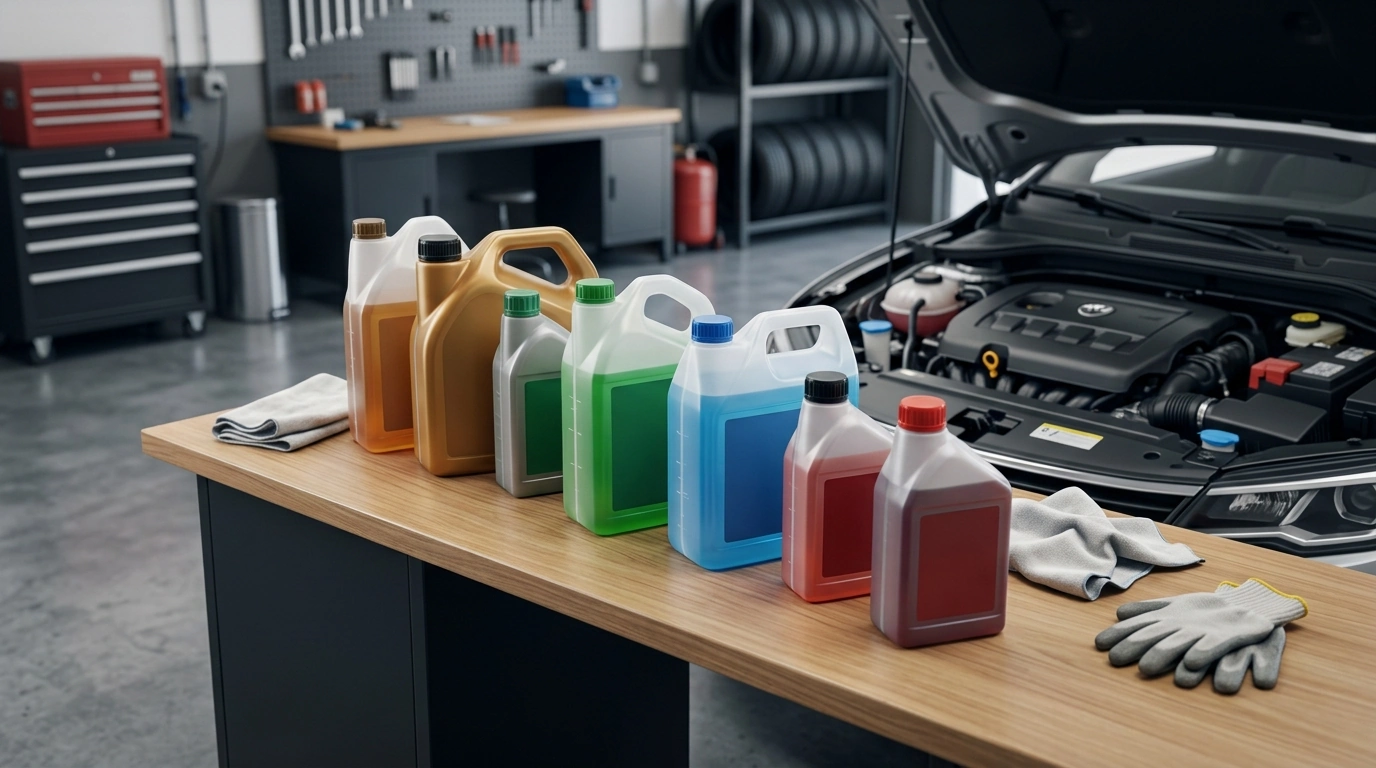
Your car relies on several fluids to lubricate moving parts, control heat, transfer force, and keep components clean. The exact fluids and specifications vary by vehicle, so use your owner’s manual to identify the correct type and service interval. Never assume two fluids are interchangeable just because they look similar.
What does engine oil do?
Engine oil lubricates internal parts, helps carry away heat, and traps some dirt and debris in the oil filter. Check the level on level ground using the procedure in your manual, and top up only with oil that meets the vehicle maker’s specification. Low oil can contribute to serious engine damage.
What are coolant and antifreeze?
Engine coolant, often called antifreeze, circulates through the engine and radiator to manage temperature and help protect against corrosion and freezing. Check the reservoir only when the engine is cool; opening a hot, pressurized cooling system can cause severe burns. Use the specified coolant chemistry and avoid mixing types unless the manufacturer permits it.
What does brake fluid do?
Brake fluid transfers force from the brake pedal to the braking components. It must meet the required specification and be kept free of contamination. If the level is low, have the brakes inspected rather than treating a refill as a fix, since worn parts or a leak may be responsible.
Which fluids serve the transmission and steering?
Transmission fluid lubricates and helps operate an automatic transmission; some manual transmissions use a specified gear oil instead. Power steering fluid is used in hydraulic steering systems, but many newer vehicles have electric power steering and need no steering fluid. Use only the exact fluid listed for your system—incorrect fluid can cause damage.
What other fluids might your car need?
Windshield washer fluid helps clear glass and improve visibility; choose a formula suited to your climate, and never substitute engine coolant. Some vehicles also use differential fluid, transfer-case fluid, or hydraulic clutch fluid. Air-conditioning refrigerant is a separate, pressurized system fluid and generally requires proper service equipment. Fuel powers the engine, but it is not usually included in routine fluid-level checks.
For a practical walkthrough of routine checks and refills, read our guide to checking and refilling essential car fluids. If a fluid repeatedly drops, looks contaminated, or appears beneath your parked car, have the cause diagnosed.
FAQ
How often should you check your car’s fluids?
Follow the schedule and checking instructions in your owner’s manual, since requirements vary by vehicle. Check sooner if a warning light appears, you notice a leak, or a fluid level seems to be falling.
Recommended for you












Leave a comment