What skin changes are common as you get older?
Skin changes gradually over time, and they can look different from one person to another. You may notice that your skin feels drier, looks thinner, or takes longer to recover from minor irritation. These changes are common, but new or unusual spots deserve attention rather than guesswork.
Why can older skin feel dry or rough?
Skin often produces less natural oil with age, while its outer layer may hold moisture less effectively. This can leave your skin feeling tight, flaky, or itchy. A gentle, fragrance-free cleanser and a moisturizer can help support comfort; applying moisturizer after bathing may help seal in moisture. Short, warm showers are generally less drying than long, hot ones.
Why does skin become thinner or bruise more easily?
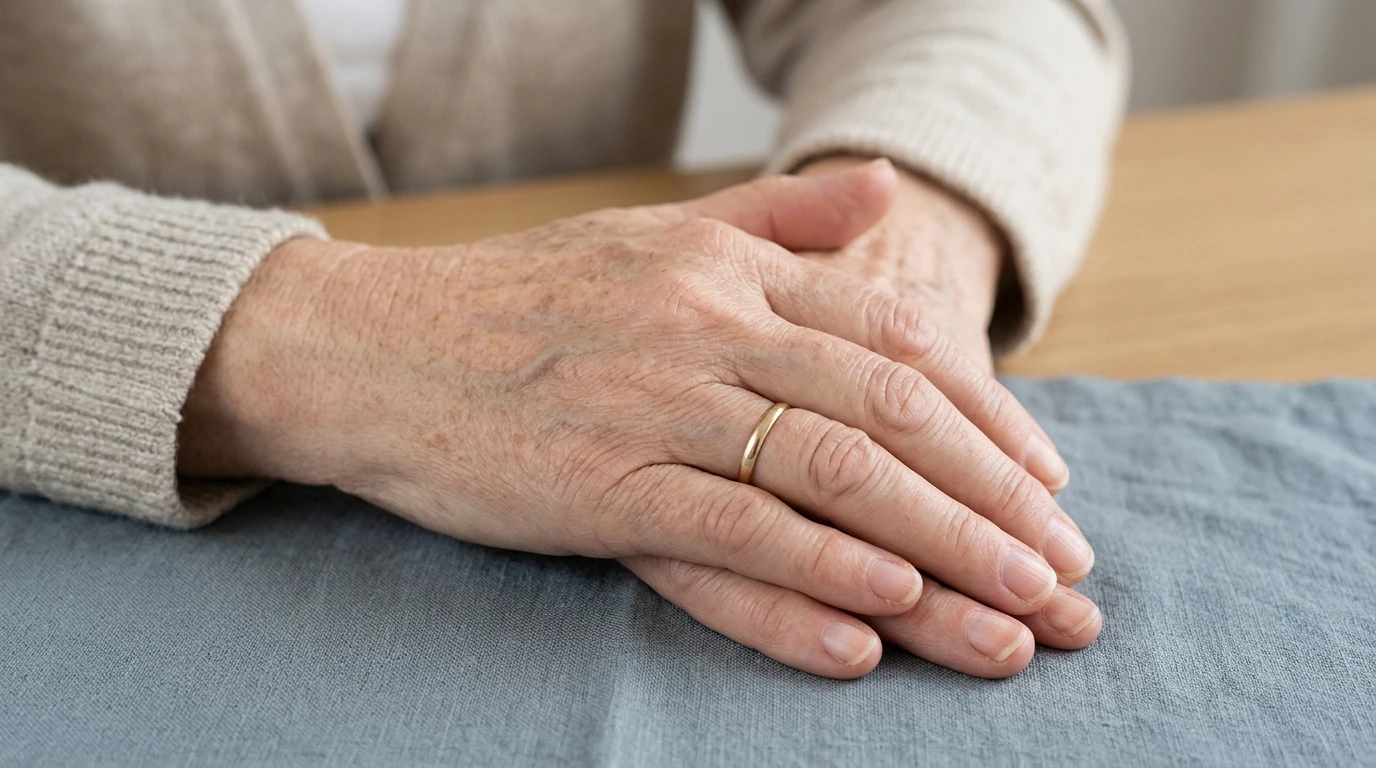
Over time, skin can lose some thickness, cushioning, and elasticity. Small blood vessels may also become more fragile, so a minor bump can cause a bruise. Handle delicate areas gently, avoid rubbing or pulling at the skin, and protect exposed skin from knocks when practical. Ask a health professional about frequent, unexplained, or unusually large bruises.
Are wrinkles and age spots normal?
Wrinkles and less-firm skin are common as the skin’s supportive structure changes. Flat brown spots may also appear on areas that have had years of sun exposure, such as the hands and face. Sun protection remains useful at every age: choose broad-spectrum sunscreen with SPF 30 or higher, and add shade or protective clothing. Avoid harsh scrubs if your skin is easily irritated.
When should you have a skin change checked?
Many changes are harmless, but don’t assume every new growth or spot is simply part of aging. Arrange a medical evaluation for a spot that changes in size, shape, or color; has an irregular border; bleeds; won’t heal; or looks noticeably different from your other spots. Slower healing can occur with age, but a persistent wound should also be assessed.
For a fuller overview of age-related skin changes, visit our main guide.
FAQ
What daily habits help protect aging skin?
Use a gentle cleanser, moisturize regularly, and protect exposed skin from the sun with broad-spectrum SPF 30 or higher, shade, and clothing. If you notice a persistent or changing spot, contact a health professional.
Recommended for you











Leave a comment