


AI Pet Care Checklist: 7-Day Plan for Busy Owners
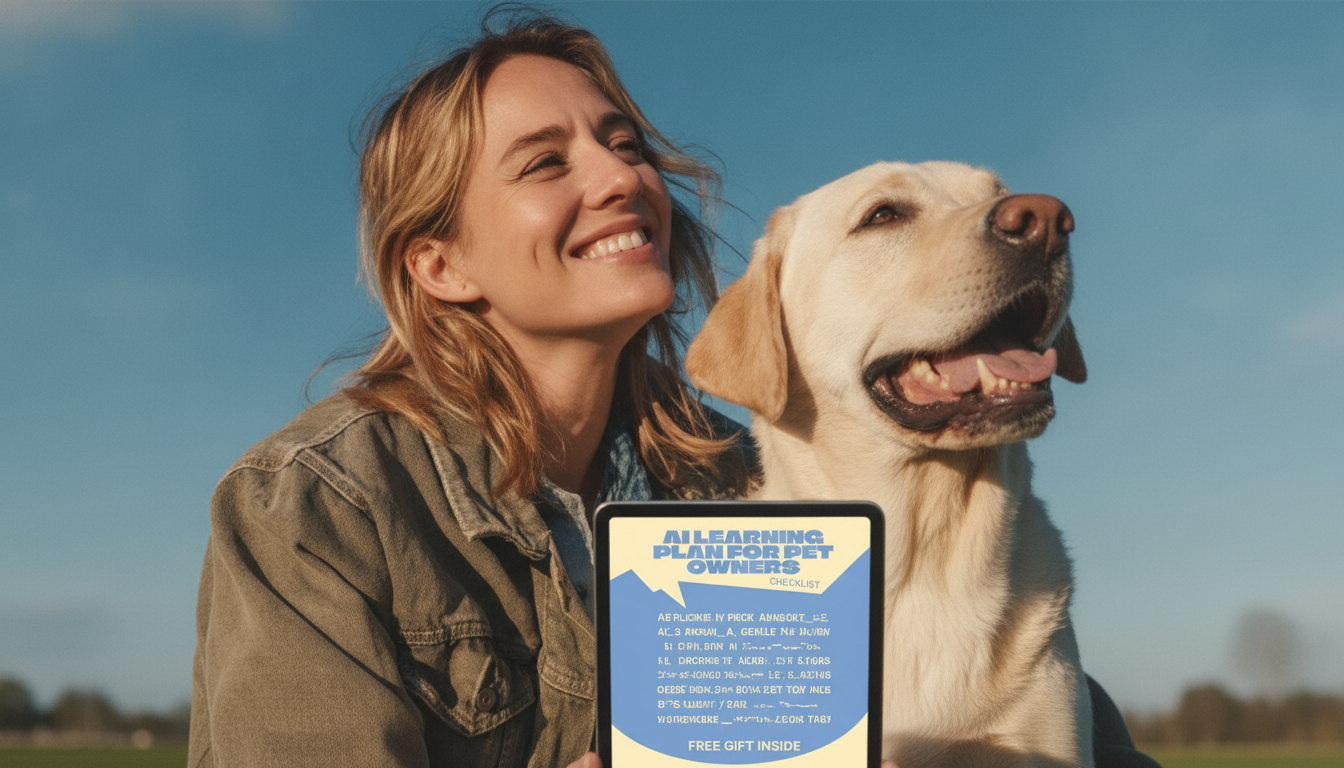
AI tools can help modern pet owners stay organized, spot patterns, and make day-to-day care easier—without replacing a veterinarian or professional trainer. A simple checklist approach keeps the learning practical: pick a few safe use-cases, set privacy boundaries, and build small habits that support feeding, routines, enrichment, and health tracking.
What “AI for pet owners” can (and can’t) do
When people say “AI for pet care,” they usually mean using an assistant to organize information, summarize notes, and suggest low-risk ideas you can verify. Used well, it’s like a smart binder for your pet’s routine—not a medical professional.
- Helps with organization: reminders, routine planning, shopping lists, and tracking notes in one place.
- Supports pattern-spotting: summarizes logs (food, water, litter box, walks, sleep) to highlight changes worth paying attention to.
- Generates ideas for enrichment: safe play, training games, puzzle rotations, and weather-friendly indoor activities.
- Improves communication: drafts questions for a vet visit and helps structure symptom timelines without guessing diagnoses.
- Limits to respect: AI cannot diagnose illness, replace a vet exam, or guarantee safety; outputs must be verified.
For reliable baseline guidance, stick to established pet-care sources like the American Veterinary Medical Association (AVMA) and the ASPCA.
Set up your AI tools safely in 15 minutes
The safest setup is the simplest: one place to write things down, one “Pet Profile,” and clear rules for what AI is not allowed to do.
- Choose one primary place to work: a notes app, a spreadsheet, or a checklist PDF you can mark up on your phone/tablet.
- Create a “Pet Profile” page: age, breed, weight, diet, medication, allergies, vet contact, microchip ID, and emergency contacts.
- Define privacy rules: avoid uploading identifiable medical documents unless necessary; remove names/addresses from screenshots.
- Decide what you will never ask AI to do: diagnose, give medication dosing, or assess emergencies.
- Create a quick escalation rule: if symptoms are sudden/severe (breathing trouble, collapse, uncontrolled bleeding), contact emergency care immediately.
Quick safety checklist before using AI for pet care
| Item | What to do | Why it matters |
|---|---|---|
| Privacy settings | Review app permissions and sharing defaults | Reduces accidental data exposure |
| Vet-first boundaries | No diagnosis or dosing requests | Prevents dangerous guidance |
| Source checking | Cross-check against vet guidance or reputable orgs | Improves accuracy and safety |
| Record-keeping | Log date/time, symptoms, changes in food/activity | Creates a clear timeline for professionals |
| Emergency rule | Know when AI is not appropriate | Saves time in urgent situations |
A 7-day smart, simple AI learning plan for pet owners
Instead of trying everything at once, build one small habit per day. The goal is a working system you’ll actually use—especially on busy weeks.
Day 1: Profile + routine
Create your Pet Profile and a routine template (meals, walks, meds, play, grooming). Keep it realistic—if you won’t do a noon walk on workdays, don’t schedule one.
Day 2: Baseline logging
Start a 2-minute daily log: appetite, water intake, stool/urine notes, energy, and anything unusual. A short, consistent log beats long notes you abandon.
Day 3: Enrichment
Use AI to brainstorm enrichment matched to your pet’s age and energy level. Choose three low-risk activities (for example: sniff games, toy rotation, short indoor training) and test them one at a time.
Day 4: Training
Create a training micro-plan: one cue, one reward strategy, 3–5 minutes per session. Track consistency rather than perfection.
Day 5: Supplies
Build a restock list (food, treats, litter, waste bags, grooming supplies, vet-recommended preventatives) and set reminders. For medication and preventatives, follow your veterinarian and label instructions; for safety info, the FDA’s Animal & Veterinary resources can be a helpful reference point.
Day 6: Vet prep
Turn your notes into a clean, factual timeline. Include dates, times, and what changed (diet, environment, new treats, travel, stressors).
Day 7: Review
Ask AI to summarize trends and identify friction points: missed walks, late meals, overstimulation times, or training sessions that consistently get skipped. Pick one tweak for next week.
Use-cases that fit real life (and stay low-risk)
- Routine automation: recurring reminders for meals, walks, litter box scooping, nail trims, grooming, and medication times (as prescribed).
- Behavior notes: track triggers (doorbell, visitors, other dogs) and what helped (distance, treat timing, quiet space).
- Meal planning support: create portioning and prep checklists based on vet-approved diet info; avoid AI-created “recipes” without verification.
- Travel and sitter packets: generate a one-page care sheet from your Pet Profile (feeding schedule, emergency contacts, house rules).
- Home enrichment scheduling: rotate toys and puzzle feeders to reduce boredom without buying more.
What to track for better insights (without overcomplicating it)
Think “minimum effective tracking.” Your goal is to notice meaningful change, not to record every detail of every day.
Make it stick: a checklist you can open in seconds
Digital checklist download: what’s included and how to use it
If you want a ready-made structure, the AI Learning Checklist for Modern Pet Owners (digital download) walks you through setup, daily tracking, weekly review, and safe boundaries—so you can start small and stay consistent.
For a simple companion habit that pairs well with pet routines, consider the Morning Routine Checklist for a Positive Mindset to help anchor consistent “same time every day” check-ins.
FAQ
What is the role of AI in pet care apps?
AI in pet care apps commonly helps with reminders, organizing notes, summarizing symptom journals, spotting routine changes, and suggesting general enrichment ideas. It can support pattern recognition and better questions for your vet, but it does not replace veterinary care or provide clinical diagnoses.














Leave a comment