


AI Meditation Scripts: Personalize Calm in Minutes
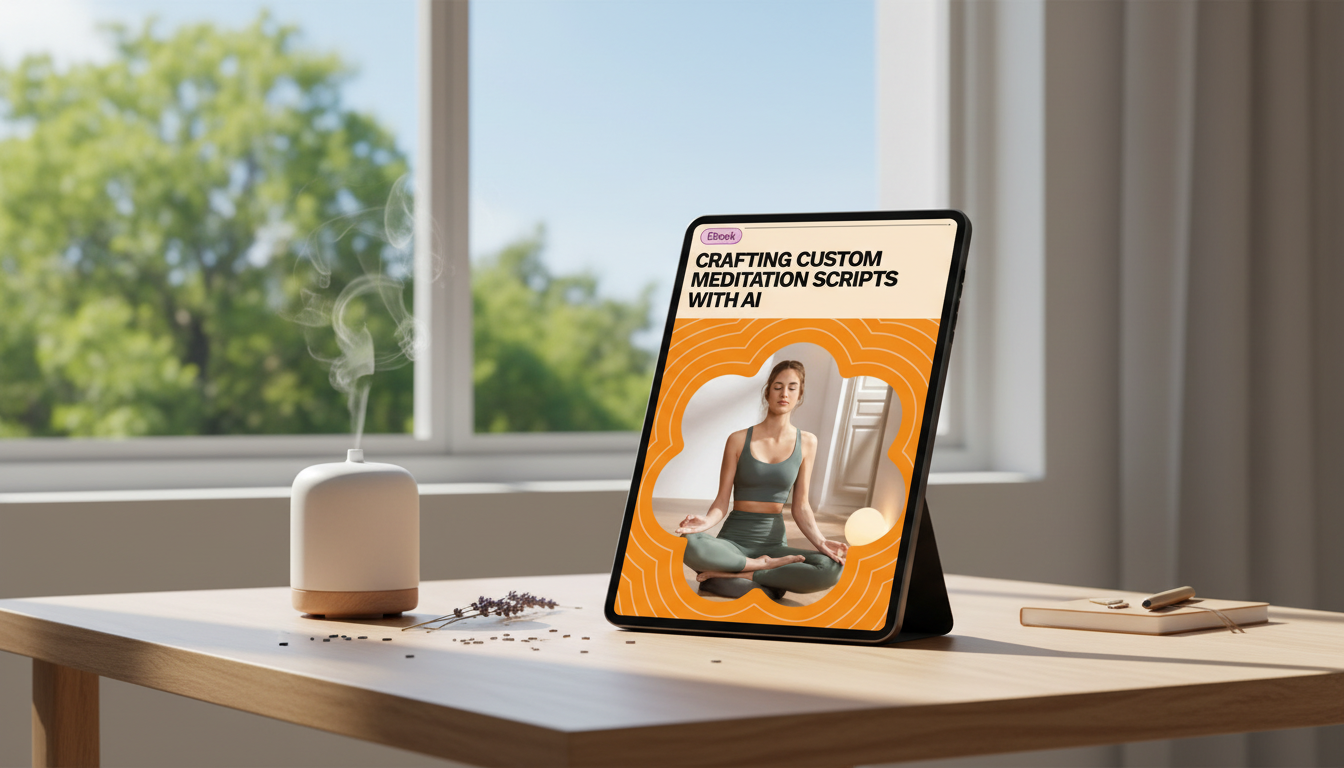
Crafting Custom Meditation Scripts with AI: A Practical Guide to Calm, Clarity, and Consistency
Custom meditation scripts can make daily practice feel personal, emotionally relevant, and easier to stick with. AI can help draft fresh language, structure sessions by length, and adapt themes like stress relief, sleep, confidence, or focus—while still keeping the final script grounded, safe, and authentic. The most reliable results come from a simple process: set a clear intention, use a repeatable structure, and review the final draft like a caring human guide would.
Mindfulness and meditation are widely used for well-being, and reputable organizations emphasize both potential benefits and practical safety considerations. For balanced, research-informed background, see NCCIH’s overview on effectiveness and safety and the APA’s summary of how stress affects the body.
What Makes a Meditation Script Feel Truly Personal
The difference between a “fine” script and a truly personal one usually comes down to specificity. A personalized meditation isn’t longer or more complex—it’s more aligned with a real person’s goal, comfort level, and attention span.
- Start with a single outcome: calmer nervous system, improved sleep onset, releasing tension, or building self-compassion.
- Match the listener’s context: beginner vs. experienced, time available, preferred posture, and sensitivity to certain imagery (ocean, darkness, silence, etc.).
- Choose an emotional tone: gentle and reassuring, energizing and confident, or neutral and spacious.
- Use sensory anchors: breath, a brief body scan, or ambient sounds to stabilize attention and reduce mental wandering.
- Keep language permissive: “you may notice…” and “if you’d like…” tends to feel safer and more workable than commands like “relax now.”
Common personalization inputs and what they change in the script
| Personalization input | Examples | How it changes the script |
|---|---|---|
| Goal | Sleep, anxiety relief, focus | Affects pacing, imagery, and closing suggestions |
| Length | 5, 10, 20 minutes | Determines number of sections and depth of pauses |
| Style | Breath-focused, body scan, visualization | Changes core technique and wording |
| Tone | Soothing, uplifting, grounded | Guides vocabulary, cadence, and affirmations |
| Audience needs | Beginner, busy professional, sensitive to imagery | Adjusts instructions, safety cues, and sensory choices |
A Reliable Script Blueprint (That AI Can Draft Quickly)
Consistency is what makes a script library usable. When each meditation follows a familiar arc, the listener can settle faster—and you can create new variations without reinventing the wheel.
- Opening and permission (15–30 seconds): Invite comfort, clarify there’s no “right way,” and offer options (eyes open/closed).
- Grounding (30–90 seconds): Orient to the present moment using breath, contact points (feet, seat), or sounds.
- Main practice (60–70% of total time): Choose a core method that matches the goal (body scan for tension, exhale-lengthening for stress, simple breath counting for focus, kind phrases for self-compassion).
- Soft reframes (optional): Brief reminders like “thoughts can come and go” or “you can begin again.”
- Return and transition (30–60 seconds): Reorient to the room, invite gentle movement, and set one simple intention to carry forward.
- Closing line: A short, consistent ending builds familiarity and habit.
Using AI Without Losing the Human Touch
AI is best as a drafting partner: fast at generating options, less reliable at knowing what your audience will find comforting or authentic. A few constraints and edits can turn a generic draft into something that sounds like a real guide.
- Provide constraints up front: length, theme, tone, reading level, and any words to avoid (for example, avoid “sleep instantly” or “cure”).
- Ask for multiple versions: one minimal, one more poetic, one strictly neutral—then merge the strongest lines.
- Request pacing cues: suggested pauses, slower sections, and shorter sentences that are easy to read aloud.
- Edit for brand fit: swap vague phrases (“let go of everything”) for concrete, kinder options (“soften the jaw,” “unclench the hands”).
- Read-aloud test: remove tongue-twisters and long clauses; the rhythm should support relaxation, not performative language.
Safety, Ethics, and Boundaries for Guided Practice
A good meditation script supports well-being without making promises it can’t keep. Especially when AI helps generate language quickly, a careful review step protects both the listener and your brand.
Theme Ideas That Work Well for Custom Scripts
Turning a Script into an eBook People Will Actually Use
A Guided Resource for Building Personalized Scripts Faster
For a structured, step-by-step approach to creating custom scripts—plus templates that can be adapted for different themes and durations—consider Crafting Custom Meditation Scripts with AI – AI for Creating a Custom Meditation Script eBook. A focused guide can reduce trial-and-error by providing reusable frameworks, examples, and practical checks for tone, pacing, and safety language.
To support a consistent practice habit alongside your custom scripts, Morning Routine Checklist for a Positive Mindset pairs well with short morning meditations (5–10 minutes) and a simple daily reset.
If your collection includes body-based grounding (like mobility-style body scans or mindful movement cues), Mastering Mobility & Flexibility for Peak Performance – Athlete & Everyday Movement eBook can complement scripts that focus on physical tension release and posture awareness.
FAQ
How long should a custom meditation script be?
For quick consistency, 3–7 minutes works well for a workday reset or anxiety check-in. For deeper downshifting, 10–15 minutes is a practical sweet spot, while 20+ minutes allows longer pauses and a fuller body scan—just keep sentences short and leave space for breathing.
Can AI-generated meditation scripts be used commercially?
Often, yes, but it depends on the specific tool’s terms and how you use the output. Review usage rights, edit heavily for originality and brand voice, avoid copyrighted material, and include an appropriate wellness disclaimer rather than making medical promises.
What should be avoided in a guided meditation script?
Avoid medical claims, overly forceful commands, guilt-tinged language, and potentially triggering imagery unless explicitly requested. Also avoid instructions that could be unsafe in context (such as guiding someone to close their eyes while driving or operating equipment).















Leave a comment