-
Shop
- Advanced Technologies
- Apple Accessories
- Arts, Crafts & Hobbies
- Bathroom
- Beauty Guides Collection
- Best-Sellers
- Car Accessories
- Clothing
- Confidence
- Dating & Social Confidence
- Dating & Social Skills
- Digital Resources
- AI & Technology
- AI Skills
- Beauty
- Car Buying & Ownership
- Cozy Feast Collection
- Electronics & Technology
- Hobbies
- Home Styling & Organization
- Kitchen & Recipes
- Mindfulness
- Mindset
- Online Business
- Parenting & Child Development
- Personal Style & Fashion
- Pet Lifestyle & Wellness
- Positive Thinking
- Sleep Improvement
- Smart Life with AI
- Stress Management & Relaxation
- Travel Planning
- Wellness
- Yoga & Fitness
- Yoga & Mind-Body Practices
- Education & Learning
- Family & Parenting
- Fashion
- Alexander McQueen
- Bags
- Bags & Wallets
- Balenciaga
- Belts
- Blazers
- Bottega Veneta
- Brunello Cucinelli
- Burberry
- Chanel
- Chloé
- Dior
- Dolce & Gabbana
- Dresses
- Etro
- Fendi
- Gucci
- Hats & Hair Accessories
- Jacquemus
- Jewelry
- Jil Sander
- Keychains
- Kiton
- Luggage
- Miu Miu
- Off-White
- Outerwear
- Prada
- Rick Owens
- Saint Laurent
- Scarves
- Shoes
- Socks & Tights
- Sunglasses
- The Row
- Tom Ford
- Valentino
- Valentino Garavani
- Versace
- Vivienne Westwood
- Watches
- Financial Education
- Furniture
- Gadgets
- Halloween
- Candles
- Costumes & Makeup
- Fall Family Traditions
- Glasses
- Halloween Costumes & Accessories
- Halloween Decor
- Halloween DIY Products
- Halloween Gifts
- Halloween Home Decor
- Halloween Kids Products
- Halloween Party Hosting
- Halloween Pet Products
- Halloween Teacher Resources
- Kids' Halloween Activities
- Masks
- Party Supplies
- Seasonal Business Ideas
- Small Business Marketing
- Tableware
- Treats & Recipes
- Health & Beauty
- Health & Wellness
- Home & Garden
- Home Electronics
- Kids & Babies
- Kitchen
- Kitchen Best-Sellers
- Lighting
- Luxury Brands Collection
- Online Business for Beginners
- Online Content Creation & Platform Growth
- Patio, Lawn & Garden
- Personal Growth
- Pet Care
- Pet Supplies
- Pets
- Sport & Outdoors
- Stress Relief & Relaxation
- TikTok Growth & Monetization Mastery
- Travel
- Travel & Adventure
- Wealth
- Wealth Building
- Budgeting & Saving
- Cryptocurrency Investing
- Debt Management
- Entrepreneurship & Business Growth
- Family Finance & Budgeting
- Financial Independence
- Financial Mindset & Psychology
- Financial Planning
- Frugal Living & Expense Hacks
- Goal Setting
- High-Income Skills
- Investing Basics
- Leadership
- Motivation
- Networking & Mentorship
- Passive Income Strategies
- Real Estate Investing
- Side Hustles
- Stock Market Investing
How Many Decibels Is an Impact Driver? Noise Guide
How many decibels is an impact driver?
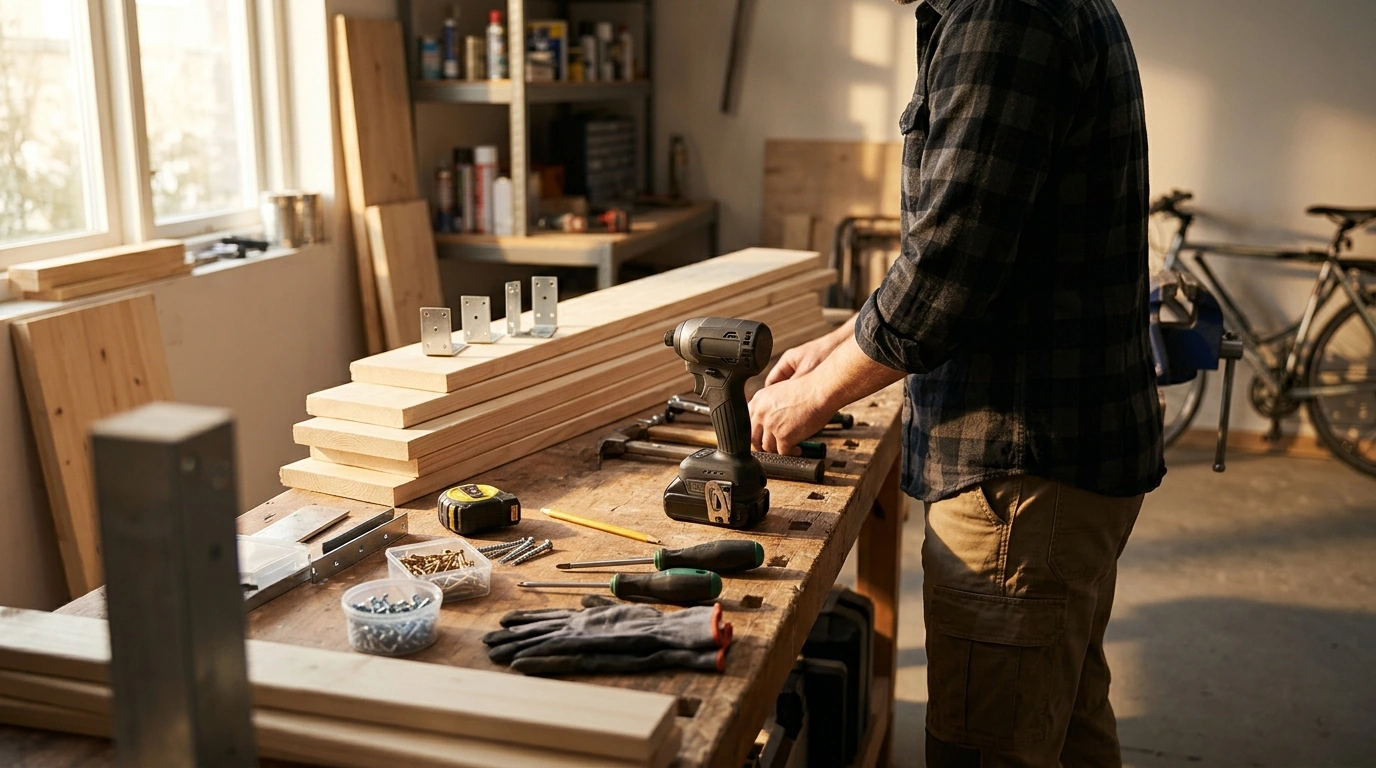
An impact driver typically produces around 90 to 110 decibels (dB) at the operator’s ear while driving fasteners. The exact level depends on the tool, the material, the fastener, and how hard the driver is working. Short impact bursts can be louder than the overall reading.
That is loud enough to make hearing protection a smart choice, even for a home project. If you use an impact driver regularly, we recommend keeping earplugs or earmuffs with your tools so they are ready whenever you start work.
Why are impact drivers so loud?
An impact driver uses a hammer-and-anvil mechanism to deliver repeated rotational blows. Those blows help turn screws and other fasteners when resistance increases, but they also create the familiar rattling noise. Driving a long structural screw into dense wood can sound considerably louder than running the tool without a load.
Your surroundings matter, too. Sound can reflect off walls and hard surfaces, making work in a garage, basement, or other enclosed space feel louder than work outdoors.
What hearing protection should you use?
Choose properly fitted earplugs, protective earmuffs, or both for particularly noisy work. Look for a noise reduction rating on the packaging, and follow the fitting instructions: loose earmuffs or poorly inserted plugs provide less protection than their rating suggests.
We also recommend limiting the time you spend close to the noise. As a general guide, the National Institute for Occupational Safety and Health recommends a maximum exposure of 85 dBA over eight hours, with the recommended time cut in half for every 3 dB increase. At 100 dBA, that works out to about 15 minutes for the day. Actual exposure depends on the sound level and duration, including other loud tools you use.
How can you make impact-driver work quieter?
Use the right bit and a suitable pilot hole when the material or fastener calls for one. This can reduce unnecessary strain and help you work more efficiently. Keep bits firmly seated, maintain the tool, and avoid running it longer than needed. For lighter tasks, a drill or screwdriver may be sufficient and may produce less impact noise.
We want you to feel prepared for practical challenges as well as personal ones. For another kind of confidence-building guidance, explore our guide to calm, emotional independence, and confidence.
FAQ
Can you use an impact driver without hearing protection?
You can, but we recommend wearing hearing protection because an impact driver can reach levels that may damage hearing. Even brief jobs add to your daily noise exposure.
Recommended for you

Was this article helpful?
Yes
No






Leave a comment