Which impact driver is the quietest?
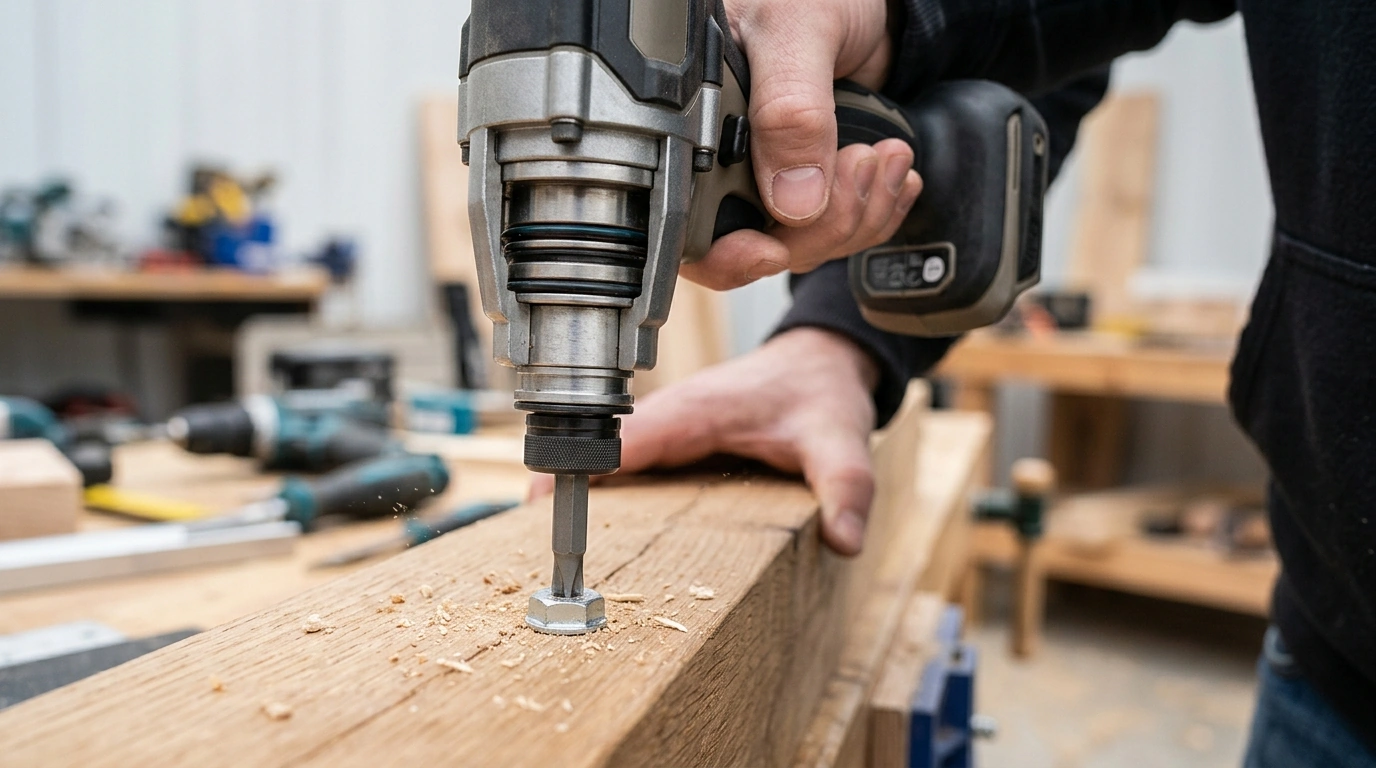
The quietest impact drivers are typically hydraulic pulse (also called oil-impulse) models. Instead of a traditional metal-on-metal hammering mechanism, they use a hydraulic system to deliver torque with a softer “thud” sound, which noticeably cuts perceived noise while still driving fasteners efficiently. For you, that usually means less ear fatigue indoors, fewer complaints in shared spaces, and a more comfortable tool to use for long runs of screws.
What makes an impact driver quieter?
Impact drivers get loud because their hammer-and-anvil mechanism repeatedly strikes under load. Noise climbs most when you’re driving long structural screws, lag bolts, or fastening into dense material. A hydraulic pulse mechanism reduces the sharp impact noise and often feels smoother in your hands.
Quietest type: hydraulic pulse (oil-impulse)
If quiet is your top priority, start here. These tools are especially practical for cabinetry, furniture assembly, fastening into studs with construction screws, and punch-list work where you want strong performance without the harsh crack of a standard impact.
Next-best: brushless impact drivers with “quiet/assist” modes
Standard hammer-and-anvil impacts can still be user-friendly when they include multiple speed settings, assist modes for starting screws, and electronic controls that reduce unnecessary hammering. Brushless motors also tend to sound smoother than older brushed designs, even when the impact mechanism is similar.
How to choose the quietest option for your tasks
- Match the tool to the fastener: For small screws, run a lower speed to minimize hammering.
- Use the right bit and keep it seated: Cam-out and wobble add noise and strip heads.
- Protect your hearing: Even “quiet” impacts can exceed safe levels during heavy driving.
If you want a calmer, more confident approach to tool choice and control—especially when you’re building independence with your projects—our team put together a deeper guide you can use alongside your buying decision: drivers and steady confidence guide.
FAQ
Is a drill or impact driver better for assembling furniture?
For furniture, a drill/driver is often better for delicate control and preventing over-tightening. An impact driver can work well if you use a low setting and stop as soon as the fastener seats.
Recommended for you










Leave a comment